Quiet Desk
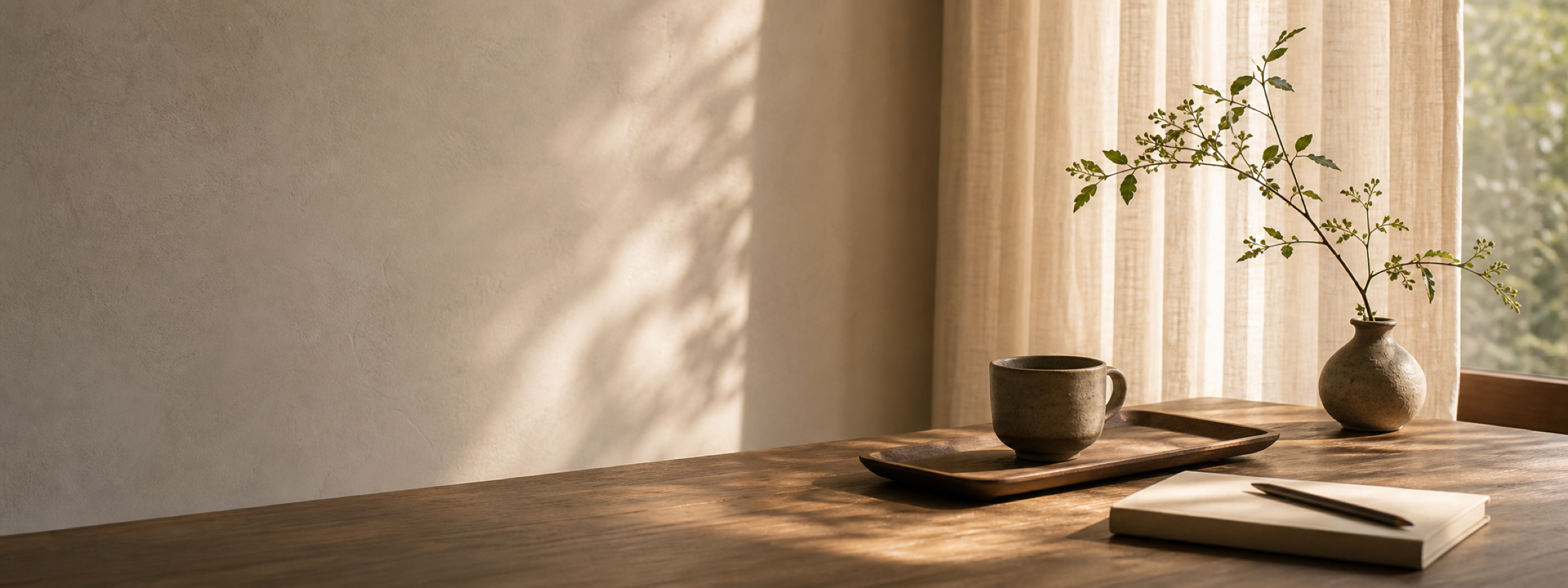
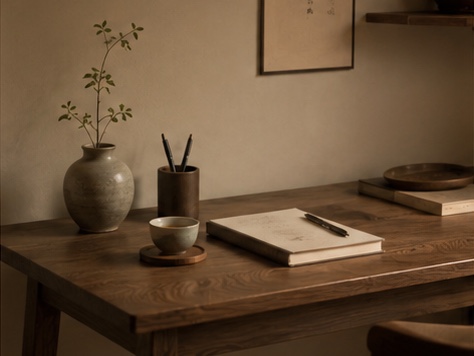
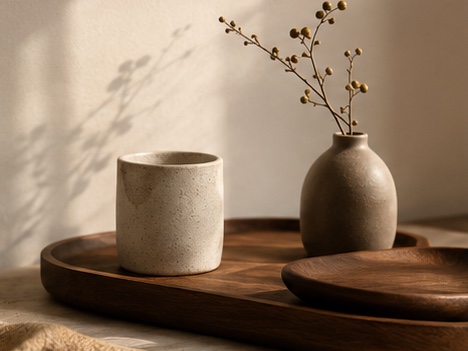
A quiet desk setup uses fermented tea, a ceramic cup, and a simple tray to reduce visual pressure and support calmer work pauses.
Why this space works
Fewer Visual Inputs
Start by removing decisions, not buying objects.
Natural Materials
Use a tray or object zone to gather the visual field.
Dedicated Purpose
A quiet desk should still be useful.
Space breakdown
Space breakdown
The elements that shape the feeling of this space.
Light
Soft Natural Light
Side light from a window
Soft indirect daylight reduces eye strain and keeps the room alert without feeling exposed.
surface
Natural Wood
Warm, quiet material
A natural surface gives the eye less visual noise and helps attention feel grounded.
objects
Only What You Need
One purpose per object
Keep only the essentials within reach so every visible object has a clear purpose.

Tea
Steady Fermented Tea
Medium-bodied and warm
A medium-bodied fermented tea creates a steady physical anchor during long attention.
View product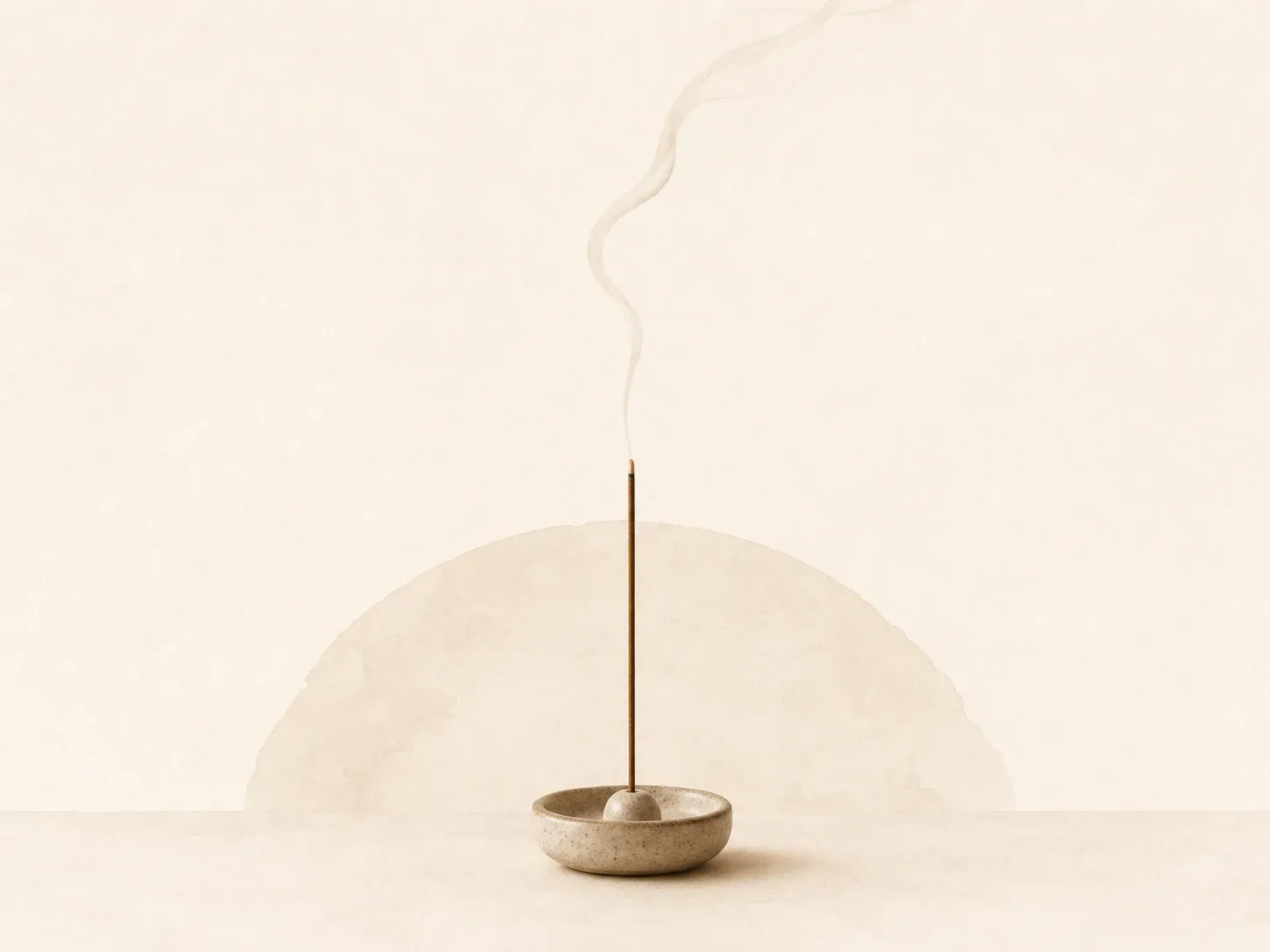
Scent
Optional Cedar Scent
Use only for transitions
A light natural scent can mark the transition into focus without demanding attention.
View product
Sound
Quiet or Natural
Continuous, low variation
Silence or gentle continuous ambience supports deep work better than changing sound.
These elements work together to reduce distraction and create the right conditions for deep, meaningful work.
The objects
This space includes
A considered group of objects that gives this space its purpose and rhythm.


Related Rituals
Related Spaces
More related paths can be added from Payload.
Learn More
FAQ
Questions before changing the space
Does a Lowfire space need to look empty?+
No. The goal is not emptiness; it is fewer interruptions, clearer object roles, and a room that gives attention somewhere to rest.
What should I change first?+
Start with one visible surface, one sensory anchor, and one repeated object placement before buying anything new.