Philosophy / Why Lowfire exists
Low Stimulation Living
A practical philosophy for reducing visual noise, digital fatigue, and rushed daily rhythms.
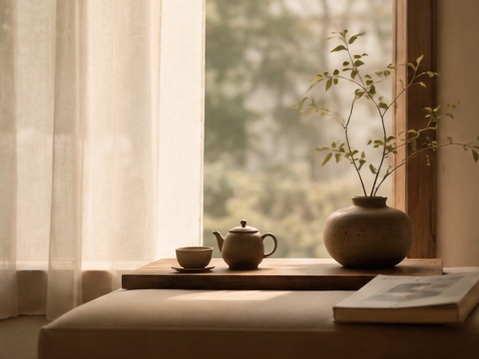
Objects, rituals, space, attention
Lowfire claim
A quieter life is not emptier. It has fewer interruptions and better attention.
Lowfire state
Understand
Low stimulation living is the larger Lowfire frame: fewer interruptions, warmer materials, and smaller repeatable practices that protect attention.
Object role
Light
Object role
Scent
Object role
Desk object
Object role
Book
What we reject
Against over-stimulated living
Lowfire rejects aggressive consumption, decorative rituals, noisy wellness promises, and rooms filled with objects that only perform taste.
Why it matters
What does low stimulation living mean for Lowfire?
For Lowfire, low stimulation living means designing daily life so attention has fewer interruptions: softer inputs, clearer object roles, slower rituals, and rooms that feel usable rather than performative.
01
Low stimulation is not emptiness.
02
Attention is shaped by rooms and objects.
03
Small repeatable practices matter more than lifestyle performance.
Less input, more attention
Low stimulation living is not emptiness. It is a quieter arrangement of objects, light, pace, and attention.
FAQ
What is low stimulation living about?
A practical philosophy for reducing visual noise, digital fatigue, and rushed daily rhythms.
Lowfire practice
How the philosophy becomes visible
Practice begins with one surface, one repeated pause, one sensory cue, and objects that are useful enough to remain in daily life.
Questions answered
Is Lowfire minimalism?
Not exactly. Lowfire values fewer interruptions, but it keeps warmth, texture, objects, and daily use.
Why does Lowfire talk about objects?
Objects shape attention. A useful object, placed well, can make a calmer state easier to enter and repeat.
Related states